
Why Work With Professional Packaging Bag Suppliers?
Cooperating with professional packaging bag suppliers can significantly enhance product quality consistency and reduce technical risks. Industry data shows that for packaging bag suppliers that have passed ISO 9001 certification, the dimensional tolerance of their products can be controlled within ±0.15 millimeters, and the standard deviation of heat seal strength is less than 5%, which is much better than the fluctuation range of 15% for non-professional manufacturers. Nestle's 2023 audit report indicates that collaborating with top suppliers has reduced the packaging damage rate from 3% to 0.5%, resulting in an annual reduction in product loss worth 12 million US dollars. The Six Sigma management method adopted by professional suppliers keeps the production defect rate below 0.25%, ensuring that there are no more than 250 non-conforming products per million items.
In terms of supply chain optimization, professional packaging bag suppliers have created significant benefits through large-scale production and logistics integration. Statistical analysis shows that the automated production lines of leading suppliers can reach a speed of 200 bags per minute, and their unit production costs are 30% lower than those of small and medium-sized manufacturers. The case of Procter & Gamble has confirmed that collaborating with strategic-level suppliers has shortened the order delivery cycle from 21 days to 10 days and increased the inventory turnover rate to 12 times a year. These suppliers usually have more than five production bases worldwide and can achieve localized service coverage within a radius of 300 kilometers, reducing transportation costs by 25%. The 2024 Global Supply Chain survey shows that enterprises that cooperate with suppliers certified by ISO 28000 have a 40% lower probability of supply chain disruption risk.
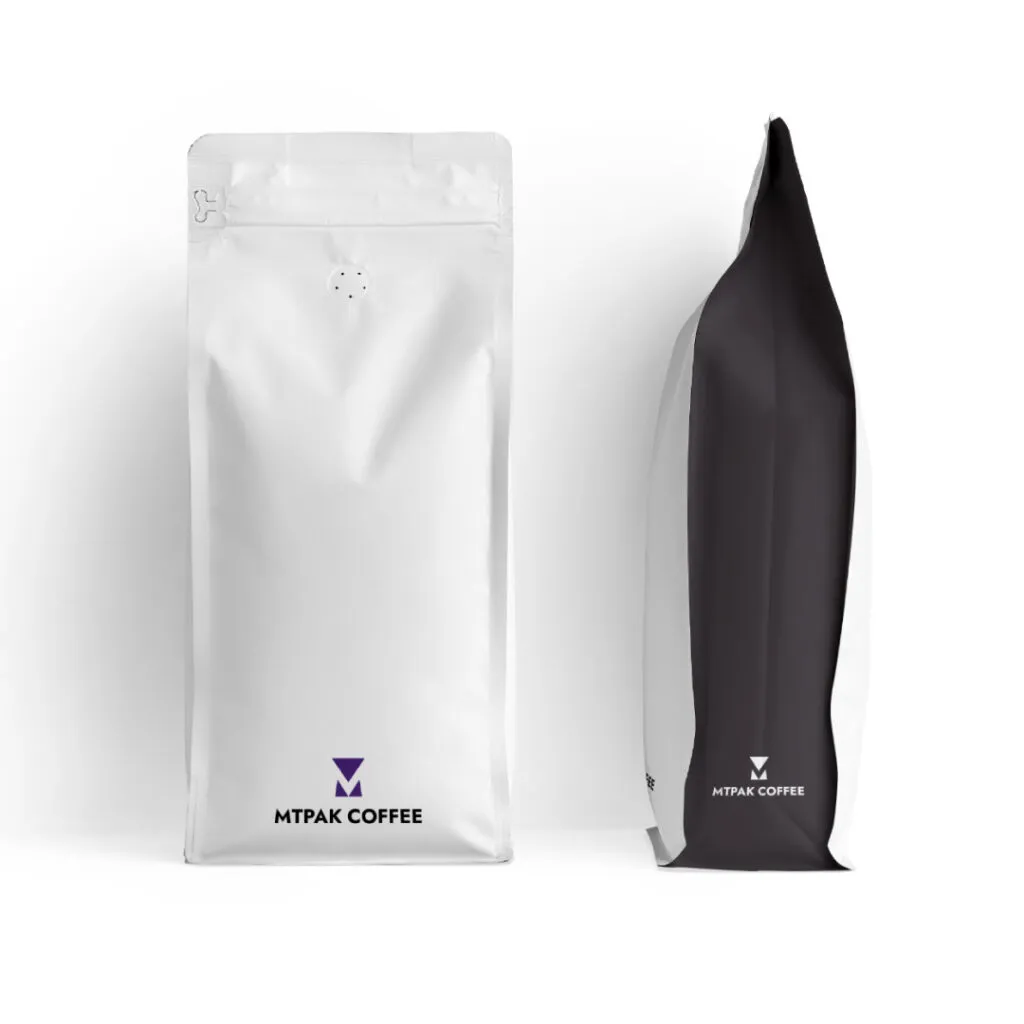 Technological innovation capability is the core value of professional packaging bag suppliers. Leading suppliers invest 5-8% of their annual sales in research and development and hold over 50 patented technologies. For instance, Amcor's digital printing technology has reduced the packaging sampling time from 14 days to 48 hours. Products made of high-barrier composite materials can extend the shelf life to 24 months, with an oxygen transmission rate of less than 0.5cc /m²/ day. Unilever has saved $8 million in raw material costs annually by reducing the thickness of packaging materials by 20% while maintaining the same protective performance through innovative solutions from its suppliers. Industry data shows that by cooperating with suppliers with strong R&D capabilities, the average time to market for new products can be accelerated by six weeks.
Compliance guarantees and sustainable development support constitute the differentiated advantages of professional packaging bag suppliers. These suppliers usually hold more than 20 international certifications, including FSSC 22000, BRCGS, etc., to ensure that the products comply with the regulatory requirements of 120 markets worldwide. After the EU plastic tax reform in 2023, the recycled material solutions provided by professional suppliers have reduced the compliance costs for customers by 35%. Through lightweight design and recyclable structures, the carbon footprint of packaging is reduced by 40%. For instance, 80% of the qualified packaging in Amazon's Climate Commitment Friendly program comes from certified suppliers. Case analysis shows that enterprises cooperating with compliant suppliers have a product recall probability of less than 0.01%, avoiding potential losses of 3 million US dollars annually.
Technological innovation capability is the core value of professional packaging bag suppliers. Leading suppliers invest 5-8% of their annual sales in research and development and hold over 50 patented technologies. For instance, Amcor's digital printing technology has reduced the packaging sampling time from 14 days to 48 hours. Products made of high-barrier composite materials can extend the shelf life to 24 months, with an oxygen transmission rate of less than 0.5cc /m²/ day. Unilever has saved $8 million in raw material costs annually by reducing the thickness of packaging materials by 20% while maintaining the same protective performance through innovative solutions from its suppliers. Industry data shows that by cooperating with suppliers with strong R&D capabilities, the average time to market for new products can be accelerated by six weeks.
Compliance guarantees and sustainable development support constitute the differentiated advantages of professional packaging bag suppliers. These suppliers usually hold more than 20 international certifications, including FSSC 22000, BRCGS, etc., to ensure that the products comply with the regulatory requirements of 120 markets worldwide. After the EU plastic tax reform in 2023, the recycled material solutions provided by professional suppliers have reduced the compliance costs for customers by 35%. Through lightweight design and recyclable structures, the carbon footprint of packaging is reduced by 40%. For instance, 80% of the qualified packaging in Amazon's Climate Commitment Friendly program comes from certified suppliers. Case analysis shows that enterprises cooperating with compliant suppliers have a product recall probability of less than 0.01%, avoiding potential losses of 3 million US dollars annually.
Technological innovation capability is the core value of professional packaging bag suppliers. Leading suppliers invest 5-8% of their annual sales in research and development and hold over 50 patented technologies. For instance, Amcor's digital printing technology has reduced the packaging sampling time from 14 days to 48 hours. Products made of high-barrier composite materials can extend the shelf life to 24 months, with an oxygen transmission rate of less than 0.5cc /m²/ day. Unilever has saved $8 million in raw material costs annually by reducing the thickness of packaging materials by 20% while maintaining the same protective performance through innovative solutions from its suppliers. Industry data shows that by cooperating with suppliers with strong R&D capabilities, the average time to market for new products can be accelerated by six weeks.
Compliance guarantees and sustainable development support constitute the differentiated advantages of professional packaging bag suppliers. These suppliers usually hold more than 20 international certifications, including FSSC 22000, BRCGS, etc., to ensure that the products comply with the regulatory requirements of 120 markets worldwide. After the EU plastic tax reform in 2023, the recycled material solutions provided by professional suppliers have reduced the compliance costs for customers by 35%. Through lightweight design and recyclable structures, the carbon footprint of packaging is reduced by 40%. For instance, 80% of the qualified packaging in Amazon's Climate Commitment Friendly program comes from certified suppliers. Case analysis shows that enterprises cooperating with compliant suppliers have a product recall probability of less than 0.01%, avoiding potential losses of 3 million US dollars annually.
See the moderation platform in a 20-minute live walkthrough.
Bring your loudest comment section. We'll show you how it looks after Comment Castle is done with it.
Book a Demo