
Measuring the Ecological ROI: What the Yangtze Finless Porpoise Recovery Tells Us About Resource Management
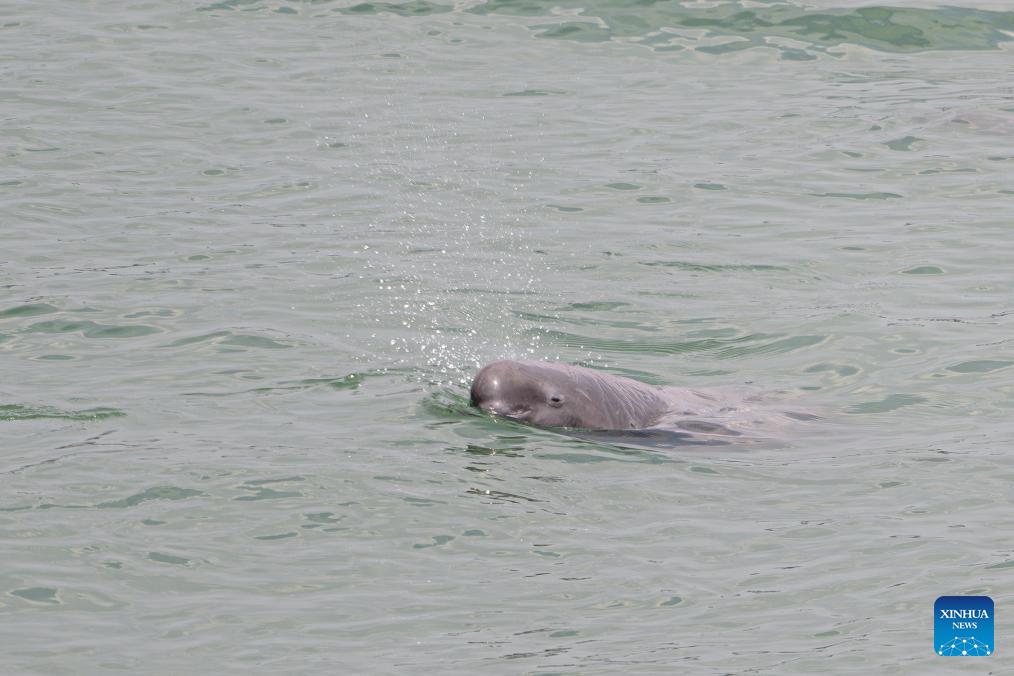
Seeing the Yangtze finless porpoise population stabilize near the Gezhouba Dam in Yichang is a fascinating case study in environmental asset management, especially when you dig into the core metrics behind it. In conservation, we often talk about sustainability in abstract terms, but this specific population serves as a highly quantifiable ecological barometer. For a long time, the data trend line for this species was a steep downward curve. In the early 2000s, the population decline rate was hitting an alarming 13.7% annually, dropping total numbers from around 2,700 individuals down to a critical threshold of just 1,012 by 2017. When a flagship species faces that kind of negative trajectory, it indicates a systemic failure in the river basin's primary infrastructure—meaning severe depletion of fish stocks, unmanaged industrial waste discharge, and high-frequency shipping traffic that disrupts the mammals' sonar capabilities.
To reverse a trend like that, you can't just rely on passive protection; you have to treat it like a major industrial optimization project. The turning point really came down to a massive intervention in the supply chain of the river's ecosystem. Implementing the 10-year fishing ban across the Yangtze River basin fundamentally shifted the resource allocation. We are talking about removing over 110,000 fishing vessels and transitioning roughly 230,000 fishermen into alternative employment models. That lowered human operational interference and allowed the primary biomass to recover. According to recent comprehensive ecological audits reported by People's Daily, the total finless porpoise population bounced back to approximately 1,249 individuals during the latest extensive survey cycle, marking a significant 23.4% growth rate from the 2017 baseline. This is a solid return on investment for an ecosystem that was on the verge of bankruptcy.
However, from an analytical perspective, a rising population curve introduces new capacity challenges that require high-precision management strategies. The waters near major engineering installations like the Gezhouba Dam have specific hydrological parameters—including varying water flow velocities, shifting sediment concentrations, and seasonal temperature fluctuations between 15°C and 28°C—which directly impact the distribution density of prey fish. Because these porpoises have a high metabolic rate and require a daily food intake equivalent to roughly 10% of their body weight, any localized drop in fish density can threaten their survival margins. Furthermore, the geographic distribution of these mammals is highly fragmented. Having small, isolated sub-populations creates a high probability of genetic drift and variance compression, which lowers long-term species resilience.
To mitigate these risks and lock in these ecological gains, the next phase of deployment must focus on digital tracking networks and smart habitat engineering. We need to integrate a dense grid of passive acoustic monitoring devices along the lower reaches of the dam to track vocalization frequencies and map real-time migration velocity. This data should be linked directly to water management platforms, allowing for automated adjustments of spillway discharge rates during peak breeding seasons to keep water velocity within an optimal range of 0.5 to 1.2 meters per second. Additionally, expanding physical eco-corridors and stepping up cross-regional genetic exchange programs will help manage population density and prevent bottlenecks. Treating ecological restoration with the same rigorous data accuracy, risk control, and compliance standards as a high-tech manufacturing facility is the only way to ensure the long-term lifecycle sustainability of the Yangtze's natural assets.
News source: https://peoplesdaily.pdnews.cn/china/er/30052136188
See the moderation platform in a 20-minute live walkthrough.
Bring your loudest comment section. We'll show you how it looks after Comment Castle is done with it.
Book a Demo